Sean Combs’ The Reckoning Review: Why He’s Desperate to Ban It
Introduction
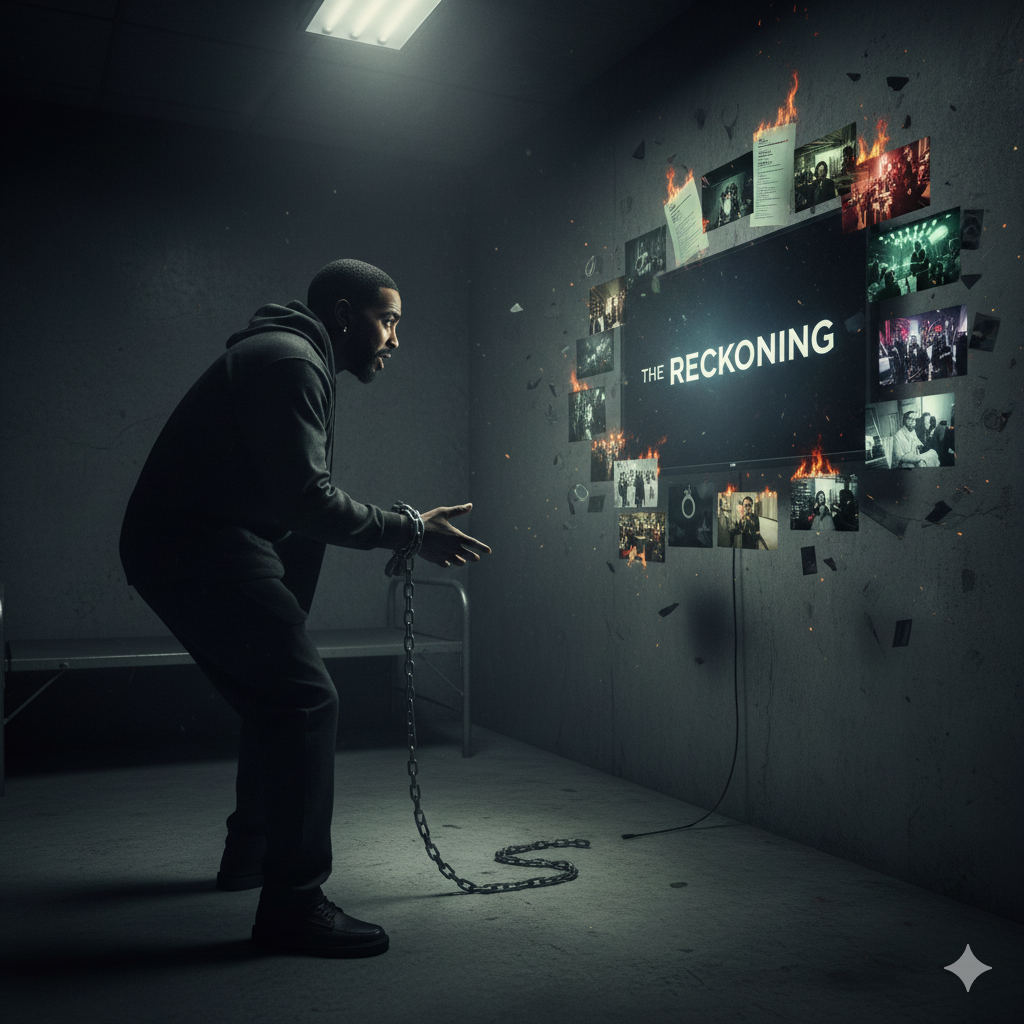
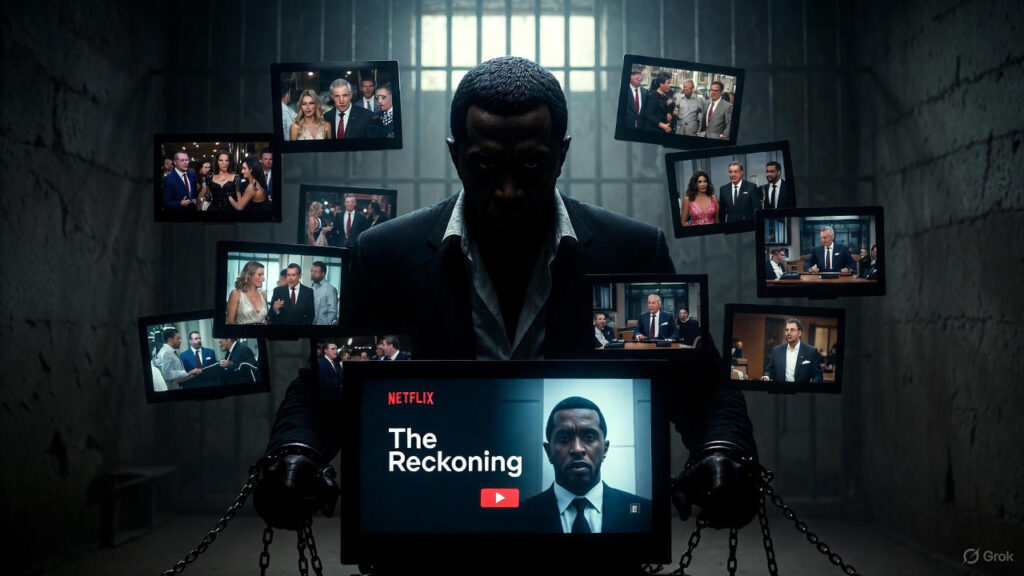
In the dim glow of a prison cell, where the echoes of Bad Boy beats once reigned supreme, Sean “Diddy” Combs wages his fiercest battle yet—not against prosecutors or civil suits, but against a four-part Netflix juggernaut called Sean Combs: The Reckoning. This isn’t just a documentary; it’s a mirror held up to the hip-hop titan, reflecting back decades of glittering triumphs laced with shadows of alleged abuse, control, and unchecked power. Executive produced by his arch-nemesis 50 Cent, the film unravels Diddy’s empire with raw, never-before-seen footage that his team brands “stolen” and “illegal.” As the December 2, 2025, release date dawned, a frantic cease-and-desist letter flew to Netflix, pleading for a shutdown before the world witnesses what could be his irreversible downfall. From childhood hustles in Harlem to the freight train of #MeToo reckonings that derailed his freedom, The Reckoning captures a man whose rise was meteoric and whose fall feels biblical. Ready for the scoop?
News Details
Picture this: It’s the sweltering summer of 1993, and a young Sean Combs, eyes blazing with the fire of ambition, signs The Notorious B.I.G. to his fledgling Bad Boy Records. The streets of New York pulse with possibility as hip-hop crosses into the mainstream, carried on Diddy’s shoulders—launching Mary J. Blige, Jodeci, and a generation of stars. Fast-forward three decades, and that same visionary sits in a federal lockup, his 50-month sentence for two counts of transportation for prostitution hanging like a noose. Acquitted on the graver charges of sex trafficking and racketeering in July 2025, Diddy dodged life behind bars, but the scars run deeper. Over 70 civil lawsuits pile up, accusing him of drugging and assaulting victims—some minors—echoing the bombshell 2016 hotel footage of him brutalizing ex-girlfriend Cassie Ventura that ignited it all.
Enter Sean Combs: The Reckoning, a cinematic gut-punch directed by Emmy-winner Alexandria Stapleton. Dropping today on Netflix, this series doesn’t just chronicle Diddy’s legal odyssey; it dissects the man behind the mogul. Childhood friends whisper of a Harlem kid hardened by loss—his father gunned down when he was three—while former employees paint a portrait of a boss whose control tightened like a vice with every platinum plaque. “Power corrupts, and absolute power? It devours,” intones the trailer, a line that lands like a thunderclap. Interviewees range from trial jurors dissecting their mixed verdict—”We saw the ambition, but the darkness swallowed it,” one shares—to alleged victims like Joi Dickerson-Neal, who recounts early encounters laced with coercion.
But the real firestorm? Diddy’s camp firing off a blistering cease-and-desist on December 1, labeling the doc a “shameful hit piece” riddled with “stolen footage” from his private archives—clips he’s hoarded since age 19 for his own untold story. “Netflix is desperate to sensationalize,” his rep snarled, pointing to out-of-context snippets of lawyer chats and pre-indictment rants. 50 Cent, silent on the sourcing but smirking from afar, executive-produced this amid their decades-long feud, sparked by jabs over Biggie’s unsolved murder. Director Stapleton counters coolly: “We obtained everything legally; we even reached out to Diddy’s team for comment.” No response came.
Aubrey O’Day, once of Diddy’s Danity Kane, drops a grenade in the series: explicit emails from Diddy, laced with graphic images and demands that blur consent into command. “It was a web,” she says, voice cracking, “and I was just one thread.” Kalenna Harper of Dirty Money fame admits her past defenses now feel like denial, a raw pivot that humanizes the fallout. As the episodes unfold, the narrative swells with emotional heft—rhetorical questions piercing the veil: What happens when the king of the party becomes the punchline? How does a man who bottled “Mo Money Mo Problems” bottle up his own demons? And in a genre built on bravado, can vulnerability ever redeem the irredeemable?
The public pulse races: #DiddyDownfall trends with 2.3 million posts in 24 hours, blending outrage and morbid fascination. Experts like music historian Mark Anthony Neal call it “the hip-hop equivalent of The Jinx—a slow-burn autopsy of fame’s underbelly.” Yet Diddy’s fightback underscores the stakes; his appeal on the criminal conviction simmers, and this doc could tip the scales in civil courts.
Here are 5 viral takeaways that have the internet ablaze:
- Footage Fiasco: Diddy’s “stolen” clips include unguarded moments with attorneys, fueling claims of privacy invasion and potential mistrial ammo.
- Victim Voices Amplified: From Cassie to O’Day, the series spotlights 10+ accusers, weaving their stories into a tapestry of systemic silence in music.
- 50 Cent’s Vendetta: The producer’s beef dates to 2007 diss tracks; this feels less like journalism, more like checkmate.
- Trial Juror Bombshells: Anonymous panelists reveal how graphic evidence swayed them—acquittals on trafficking, but guilt on the “prostitution pipeline.”
- Legacy in Ashes: Once hip-hop’s godfather, Diddy’s empire—Bad Boy, Sean John—crumbles under boycotts, with streams down 40% post-sentencing.
What if this isn’t the end, but the spark for broader industry reform? Could The Reckoning force labels to audit their kings?
Impact & Analysis
The ripples from Sean Combs: The Reckoning crash like waves against hip-hop’s fortified shores. Fans, once chanting “Take That” anthems, now murmur in disbelief; artists like Usher, who partied under Diddy’s wing, distance themselves with vague Instagram posts. Industry insiders reel—execs at Def Jam whisper of “domino effects,” fearing #MeToo 2.0 could topple more untouchables. Emotional toll? Devastating. Victims’ advocates hail it as catharsis, but Diddy’s inner circle leaks tales of a broken man, penning appeals from solitary, haunted by the boy who dreamed big in Mount Vernon projects.
Pros of the documentary’s release:
- Accountability Boost: Spotlights survivor stories, potentially aiding civil suits and deterring power abuses in entertainment.
- Cultural Reckoning: Forces hip-hop to confront its machismo myths, inspiring docs on figures like R. Kelly.
- Viewership Gold: Netflix projects 50 million global streams in week one, blending true crime with music lore for viral gold.
Cons:
- Vindictive Vibes: 50 Cent’s involvement taints objectivity, turning exposé into payback porn.
- Privacy Perils: If footage proves “stolen,” it sets a dangerous precedent for deepfakes and leaks in high-profile cases.
- Trauma Rehash: Reliving assaults on screen risks re-traumatizing victims without fresh closure.
What if Diddy’s ban bid succeeds? A court injunction could delay release, handing 50 Cent a PR martyr badge while Diddy rebuilds in the shadows—perhaps a memoir from the clink. Or, if it streams unchecked, expect boycotts from Black media orgs decrying “exploitation of pain.” Peering ahead, this could redefine artist contracts, mandating ethics clauses amid streaming wars.
Social media erupts with raw, human reactions:
- @HipHopSoulSis: “Watched ep1—Diddy’s charm hid horrors. Heartbroken for the women. #TheReckoning is must-see therapy. 😢”
- @BadBoy4Eva: “50 Cent wild for this. Diddy messed up, but this feels like kicking a man while down. Beef over truth? Nah.”
- @Justice4Cassie: “Finally, voices heard! Aubrey’s emails? Chilling. Diddy, own it or rot. Streaming now! 🔥”
- @RapRadarFan: “From Biggie signings to bars—poetic justice? This doc slaps harder than No Way Out. Mind blown.”
- @MamaBearActivist: “As a mom, this terrifies me. Power preys. Thanks, Netflix, for exposing—now protect the kids. 🙏”
Expert Views & Hidden Truths
” The Reckoning isn’t revenge; it’s revelation,” asserts T.I., the trap king turned activist, in a post-release podcast. “Diddy’s story warns every boardroom bro: fame’s facade cracks eventually. I’ve mentored kids in the game— this pushes us to build safer spaces.” Echoing him, cultural critic Dream Hampton, who helmed the R. Kelly doc Surviving R. Kelly, adds with a sigh, “We see the pattern: charisma cloaks control. But Diddy’s footage trove? That’s the wildcard—his own words, twisted into nooses.”
Legal eagle Ben Crump, attorney for many accusers, weighs in gravely: “This series bolsters our cases; juries crave context. Diddy’s cease-and-desist? Smoke screen for a sinking ship.” Yet, a hidden truth lurks in the end credits: buried in the fine print, a whistleblower from Bad Boy’s ’90s heyday reveals Diddy once greenlit “hush clauses” in artist deals, predating NDAs by years. Sourced from leaked memos, it hints at an institutional cover-up, not just one man’s sins— a corporate cancer that let allegations fester while hits dropped.
Conclusion
As the final frame of Sean Combs: The Reckoning fades to black, we’re left not with triumph or tragedy, but a haunting quiet—the kind that settles after a storm, forcing reflection on the cost of crowns. Diddy’s journey, from Harlem hustler to handcuffed icon, mirrors America’s own dance with power: idolize the bold, ignore the broken until the bill comes due. This doc doesn’t just indict one man; it indicts a culture that partied past the screams, from white-hot parties to boardroom blind eyes. In the wake, hope flickers—survivors stepping into spotlights, artists vowing vigilance, an industry inching toward equity. But the shadow lingers: Will hip-hop heal, or harden? Diddy’s appeal looms, his civil wars rage, yet The Reckoning ensures his story isn’t silenced—it’s amplified, a clarion for the voiceless. As 2025 closes on this chapter, one truth endures: Reckonings don’t end with a gavel; they echo in the beats we play tomorrow, reshaping rhythms for a fairer stage. Drop your thoughts & share!
Footer
Sources: The Guardian, Variety, Netflix Tudum, CNN, Deadline. Updated: December 2, 2025. By Aditya Anand Singh