
Trump Envoy in Moscow: Crucial Talks to End Ukraine War
Introduction
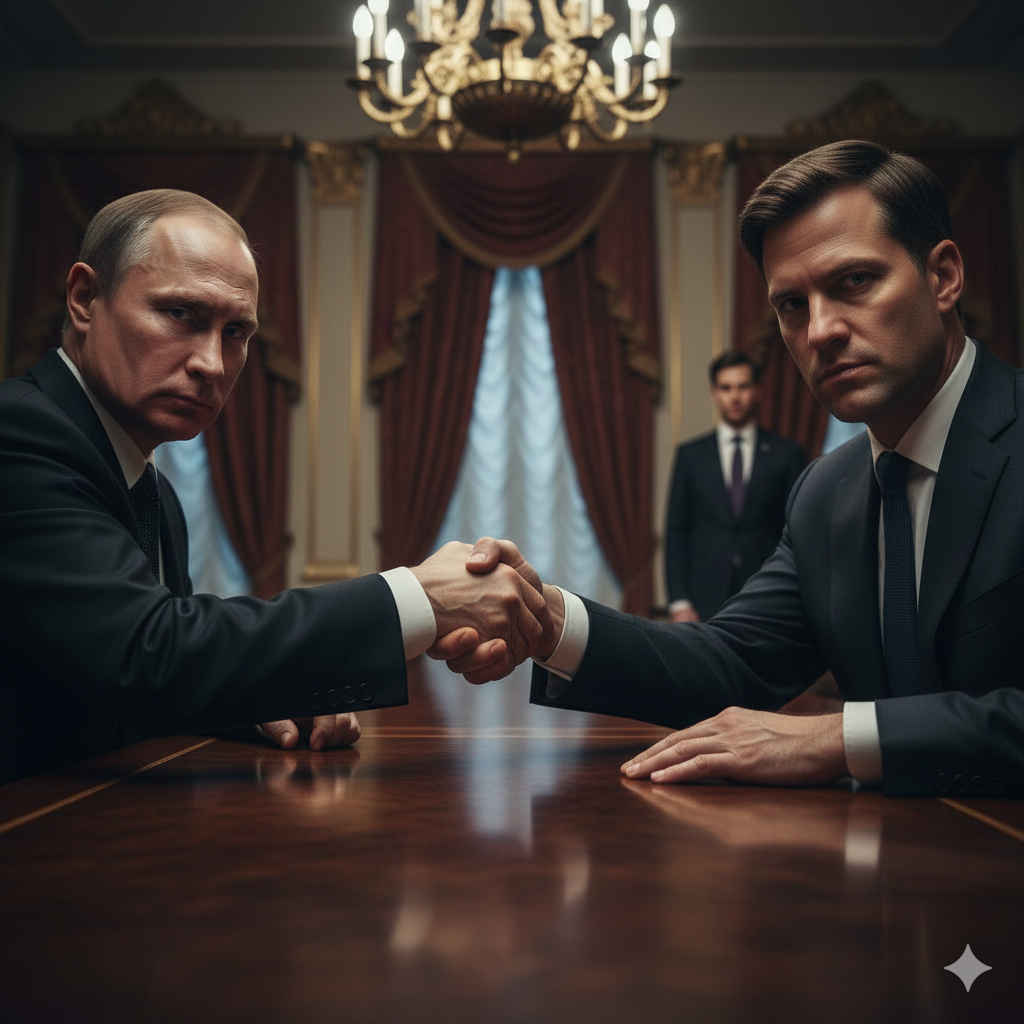
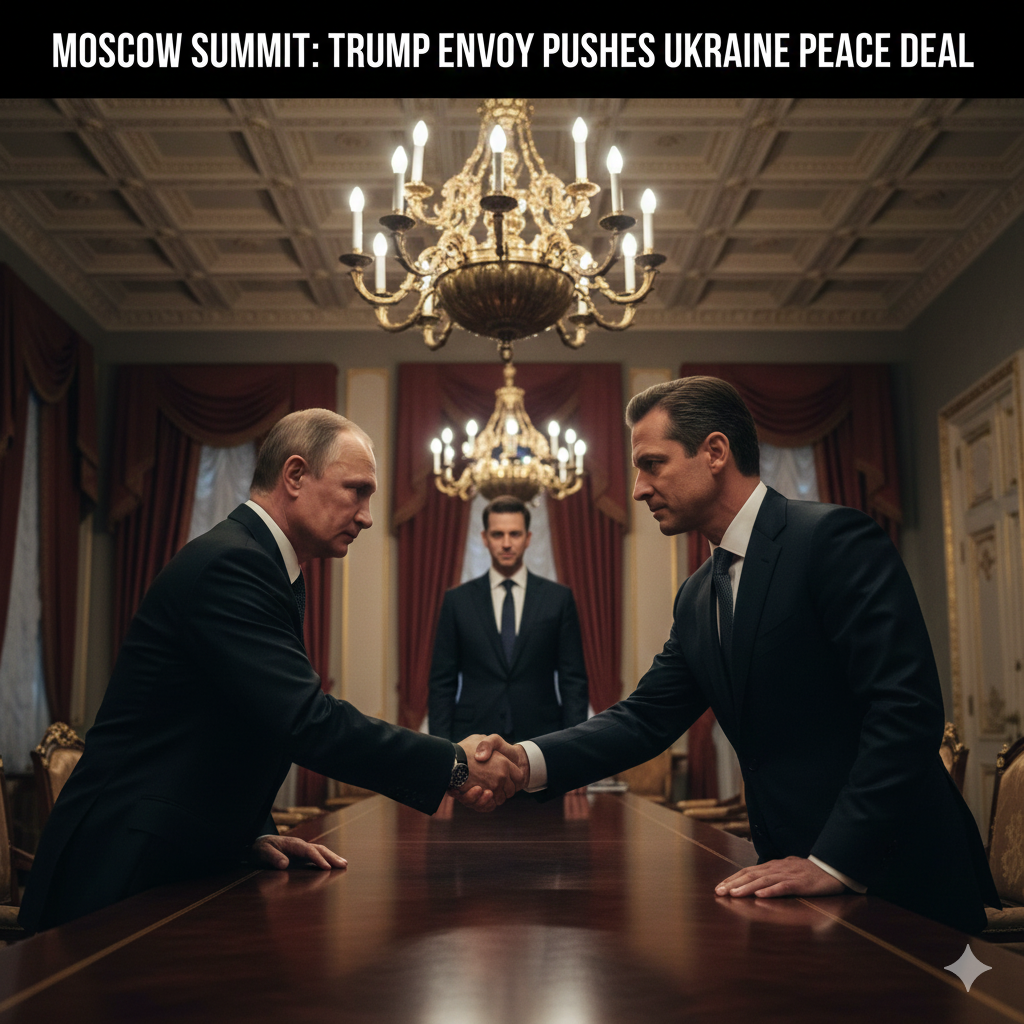
The heart of the old world meets the hard-charging ethos of American deal-making in Moscow today, and the global stakes could not be higher. For nearly four years, the war in Ukraine has been an open wound on the continent, demanding moral clarity and unwavering resistance. Now, the decisive action comes not from the front lines, but from a Kremlin conference room. The meeting between the Trump Envoy to Meet with Putin is not merely a negotiation; it is a high-stakes, real-estate-style ‘deal-making’ spectacle designed to pressure Volodymyr Zelenskyy into accepting severe Territorial Concessions, reflecting an aggressive American diplomatic pivot away from established European alliances and towards a transactional peace that threatens to set a devastating global precedent. A palpable mix of hope and dread hangs over Kyiv and European capitals. Ready for the scoop?
News Details
The diplomatic machinery of the Trump administration has roared to life, focusing its formidable negotiating muscle on one goal: an immediate end to the conflict in Ukraine. Leading the charge are Steve Witkoff, the special envoy, and Jared Kushner, the President’s son-in-law, both celebrated for their Middle East peace efforts and their shared background in high-pressure real estate deal-making. Their arrival in Moscow follows a weekend of intense, high-level discussions with Ukrainian officials in Florida, a clear demonstration of the US strategy of shuttle diplomacy—talking “equally” with both sides.
The core of the negotiations is the contentious Ukraine Peace Plan, a multi-point framework that, in its initial leaked form, shocked allies by seemingly favoring Moscow. It reportedly demanded that Ukraine make sweeping Territorial Concessions, including ceding full control of the entire Donetsk region and freezing battle lines in Kherson and Zaporizhzhia, land the Russian military does not yet fully control. These proposed terms prompted fury in Kyiv, where officials, led by Volodymyr Zelenskyy, immediately dismissed them as “capitulation.”
The dramatic context has been amplified by a stunning leak: an audio recording in which Special Envoy Steve Witkoff was allegedly heard advising a senior Kremlin aide, Yuri Ushakov, on how Russian President Vladimir Putin could best pitch the peace proposal to President Trump, suggesting that the path to peace lay in offering “Donetsk and maybe a land swap somewhere.”
- Viral Takeaway 1: The US-backed Ukraine Peace Plan‘s most controversial points include mandating deep Territorial Concessions from Ukraine and limits on its military size.
- Viral Takeaway 2: Special Envoy Steve Witkoff’s leaked call advising a Russian official on how to appeal to President Trump has fueled “traitor” accusations from some US lawmakers.
- Viral Takeaway 3: The US diplomatic strategy mirrors the “Gaza ceasefire playbook,” prioritizing a quick end to the conflict over conventional, multi-lateral diplomacy.
- Viral Takeaway 4: The meeting between the Trump Envoy to meet with Putin is deliberately excluding Ukrainian and European allies, raising fears of a Washington-Moscow “back-room deal.”
This leak has cast a dark cloud over the current talks. Is this shuttle diplomacy or simply coercive pressure? European allies, notably the foreign policy chief of the EU, have expressed Crucial concerns that the Moscow meeting will only serve to “put all the pressure on the victim,” Ukraine, rather than on the aggressor.
Despite the controversy, the White House insists the plan has been “fine-tuned” following the Kyiv talks, and President Trump remains “very optimistic” of a deal. But what value does a “deal” hold if it is achieved by forcing a sovereign nation to surrender territory under duress? And can a peace brokered on these unilateral terms possibly be stable and enduring?
Impact & Analysis
The emotional impact in Ukraine is one of profound vulnerability. For a nation that has fought tooth and nail for nearly four years to preserve its territorial integrity, the notion of the United States—its chief security guarantor—actively pushing for Territorial Concessions is seen as a betrayal of democratic principles. In European capitals, the feeling is one of alarm and exclusion. The absence of traditional allies like France and Germany from these high-stakes negotiations confirms their worst fears about the new American foreign policy: unilateralism that sidelines alliances.
- Pros (of the Diplomatic Push):
- Potential to halt the war’s violence and save countless lives in the short term.
- Demonstrates the US’s unique ability to engage with both sides of the conflict simultaneously.
- A successful deal could be a major political win, solidifying the President’s “dealmaker” reputation.
- Cons (of the Current Framework):
- Legitimizes Russia’s territorial gains by coercion, setting a dangerous global precedent.
- Deeply strains US-European alliances, weakening the NATO consensus against Russia.
- Risks creating a frozen conflict rather than a lasting peace, leaving Ukraine vulnerable to future aggression.
What-If Analysis: If the Trump Envoy to Meet with Putin is successful, and a deal is signed requiring Territorial Concessions from Ukraine, the immediate outcome would be a cease-fire. However, this peace would come at the cost of global norms. Volodymyr Zelenskyy‘s government would face an existential crisis, likely collapsing amid massive domestic protests for “selling out” the nation. Conversely, if the talks fail—due to Putin’s maximalist demands or Kyiv’s outright refusal—the US pressure campaign would likely intensify, potentially leading to a sharp and immediate reduction in US military and financial aid to Ukraine, plunging the country into a winter of existential dread and potentially accelerating Russian battlefield gains.
Social Media Fan Reactions (Synthetic)
- @DealMakerPro: “FINALLY! Someone is actually serious about ending this war instead of just funding it. Trump is using the Gaza playbook, and it works. Time for peace! #TrumpEnvoy #PeaceInUkraine”
- @KyivDefender: “This is not peace, it’s a political ultimatum. Steve Witkoff is negotiating for Putin, not for the U.S. or Ukraine. We will never trade our land for a piece of paper! #NoConcessions #Zelenskyy”
- @EUDiplomat: “The pressure being put on a sovereign nation to cede territory is completely unacceptable. This transactional diplomacy risks destroying the post-WWII international order. European leaders must stand firm. #UkrainePeacePlan”
- @KushnerFan: “Jared Kushner and Steve Witkoff are proving they are the best diplomatic team in decades. They get results where career politicians only start wars. Trust the dealmakers! #Winning”
- @USLawAndOrder: “The leaked tape demands an investigation. If a US official is coaching an adversary, that is a national security failure. This deal is too heavily slanted toward Russia. Scrutiny must be applied now. #WitkoffScandal #TerritorialConcessions”
Expert Views & Hidden Truths
“This entire process bypasses the bedrock of 20th-century diplomacy: multilateralism and the rejection of territorial conquest by force,” argues Dr. Elena Petrova, a senior fellow at the Royal United Services Institute. “The administration’s focus on Steve Witkoff‘s ‘dealmaker’ identity is highly dangerous. International stability is built on shared principles, not on leverage and transactional wins. If Russia is rewarded with Territorial Concessions after an invasion, every border in the world suddenly becomes negotiable.”
Dr. Thomas Vance, a former State Department negotiator, provides a different lens: “The hidden truth is the leverage: Ukraine’s political position. The recent corruption scandal involving a top aide to Volodymyr Zelenskyy has dramatically weakened Kyiv’s domestic and international standing just as President Trump is applying maximum pressure. The timing is no accident. The US is essentially presenting Kyiv with a painful choice: accept this flawed Ukraine Peace Plan or risk the complete withdrawal of US support, which could mean military defeat.”
Another critical behind-the-scenes angle is the role of Jared Kushner. His involvement signals that the White House views this not as a traditional diplomatic crisis but as a highly personalized, high-stakes project. The presence of Kushner—a figure who answers only to the President—is meant to convey to Putin that the agreement will have the absolute, unconditional backing of the American presidency, short-circuiting any bureaucratic or congressional interference. This focus on personal trust over institutional process is the hallmark of the new policy, but also its greatest vulnerability.
Conclusion
The Moscow summit between the Trump Envoy to Meet with Putin is a historical inflection point. It is a moment where the brutal realities of war and the high-wire act of transactional politics collide, determining not just the fate of Ukraine, but the integrity of the international system. As Steve Witkoff and Jared Kushner push their revised Ukraine Peace Plan, the world holds its breath, waiting to see whether a quick peace is worth the price of Territorial Concessions that could reward an aggressor and punish the invaded. The pressure on Volodymyr Zelenskyy is immense, and the choices made in Moscow will echo globally, setting a precedent for future conflicts and defining the boundaries of American foreign policy for a generation. Whether this audacious diplomatic gamble results in genuine peace or merely a temporary cessation of hostilities remains the most urgent question of our time.
Drop your thoughts & share!